HIGHEST QUALITY STANDARD

SCIENTIFICALLY SUPPORTED FORMULAS BY NUTRITIONISTS

MADE IN SLOVENIA

NATURALLY LACTOSE-FREE

NATURALLY GLUTEN-FREE

NO ADDED SUGAR

GMO FREE

100% VEGAN
New website, fresh look and improved formulations. Discover new products and boost your well-being. Shop
HIGHEST QUALITY STANDARD
SCIENTIFICALLY SUPPORTED FORMULAS BY NUTRITIONISTS
MADE IN SLOVENIA
NATURALLY LACTOSE-FREE
NATURALLY GLUTEN-FREE
NO ADDED SUGAR
GMO FREE
100% VEGAN
SCIENTIFICALLY SUPPORTED FORMULAS BY NUTRITIONISTS
HIGHEST QUALITY STANDARD
NO ADDED SUGAR
NATURALLY GLUTEN-FREE
NATURALLY LACTOSE-FREE
MADE IN SLOVENIA
100% VEGAN
GMO FREE

HIGHEST QUALITY STANDARD
SCIENTIFICALLY SUPPORTED FORMULAS BY NUTRITIONISTS
MADE IN SLOVENIA
NATURALLY LACTOSE-FREE
NATURALLY GLUTEN-FREE
NO ADDED SUGAR
GMO FREE
100% VEGAN
SCIENTIFICALLY SUPPORTED FORMULAS BY NUTRITIONISTS
HIGHEST QUALITY STANDARD
NO ADDED SUGAR
NATURALLY GLUTEN-FREE
NATURALLY LACTOSE-FREE
MADE IN SLOVENIA
100% VEGAN
GMO FREE

As winter is knocking on your door and the days are getting shorter, we will talk again about a very important vitamin, which some call the “sun” vitamin. This is, of course, vitamin D.
Vitamin D is the name for a group of fat-soluble substances that have various biological functions in the body. It plays a key role in your well-being and is essential for bone health, as it helps with calcium absorption and promotes bone growth. In addition, it supports the immune system, regulates cell growth and helps relieve inflammation. Unlike other vitamins, the body can synthesize it with the help of sun exposure, so its sufficient intake is especially important in the winter months.
In winter, exposure to sunlight is significantly reduced, which can affect both mood and health. Fewer UV rays means poorer synthesis of vitamin D, which can weaken bones and the immune system. Sunlight also stimulates the production of serotonin, which can help with better well-being in the darker months. It is recommended that you get at least 15 minutes of daylight immediately after waking up.
Vitamin D is often associated with a good mood. In the body, it participates in the regulation of neurotransmitters, such as serotonin, which affect the feeling of satisfaction and well-being. With an adequate level of vitamin D, you can help reduce sadness and support healthy brain function.
Vitamin D plays an important role in the functioning of the immune system. It helps keep immune cells active and ready to fight microorganisms. Sufficient intake of this vitamin, especially in the colder months, can significantly contribute to a stronger defense of the body.
Vitamin D is indispensable for healthy bones and teeth. It enables the effective absorption of calcium from food and ensures that it is properly incorporated into the bone structure. This contributes to the strength of bones and teeth throughout life.
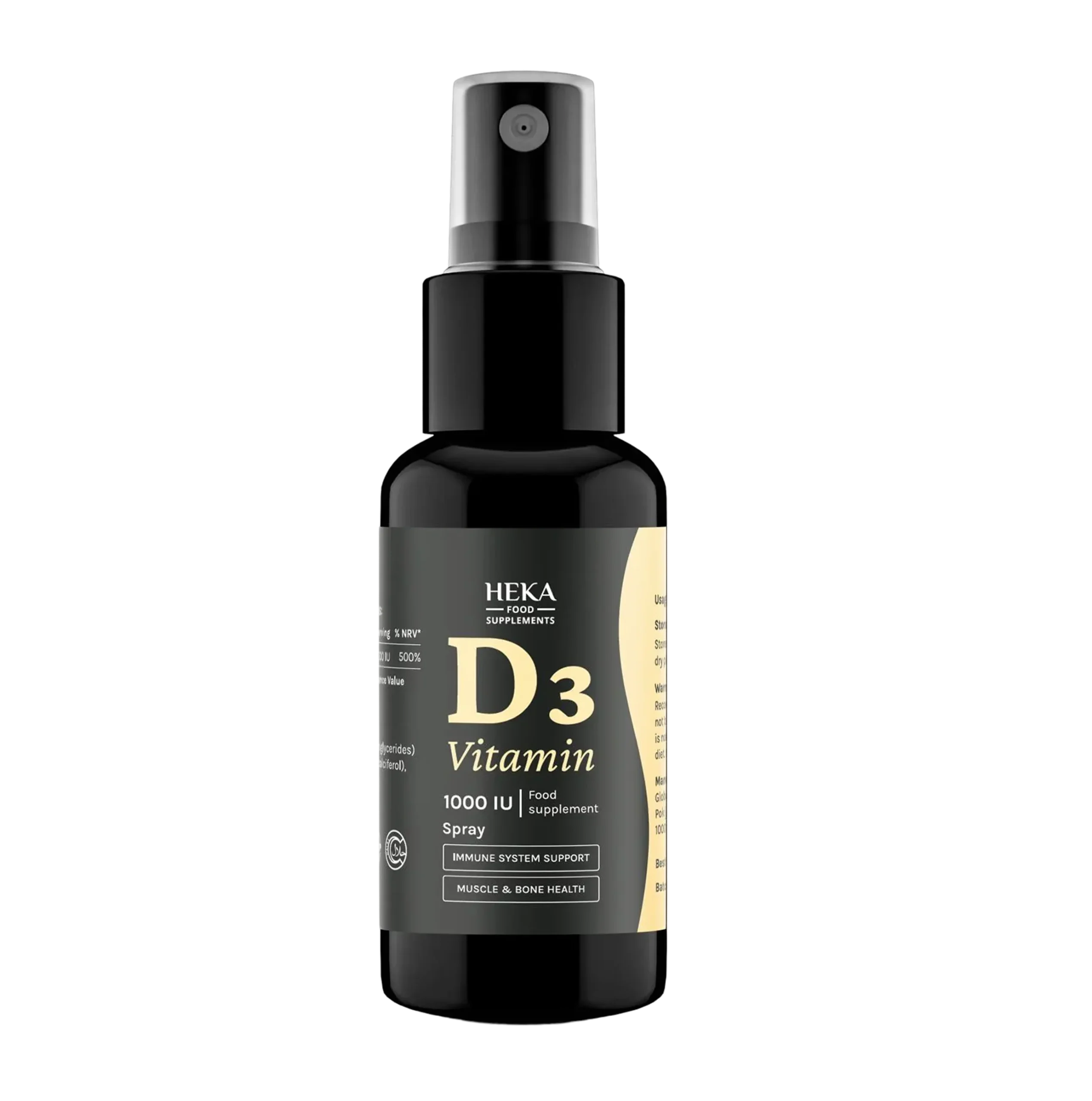
Vitamin D is naturally present in only a few foods, such as fatty fish, egg yolks and some fortified products. In the colder months, it is therefore often sensible to consider dietary supplements. You can also introduce vitamin D into the body with the help of quality supplements or gummies, if classic forms do not suit you.
When the days are shorter and there is less sun, let vitamin D become your ally. With sufficient intake, you will support bone health, mood and the immune system, and help the body get through the winter months more easily.

If the world of training and exercise is relatively new to you, you've come to the right place, as in this post we'll explore which exercises and activities burn the most calories, thus…

We are sure that among the tips for 5 refreshing summer smoothies, you will definitely find one that will give you a new idea for a summer refreshment!

When we think of the immune system, we think of vitamin C, and then probably of lemons, oranges, and so on. Do you agree? Vitamin C is one of the most important nutrients…

Become part of the inner circle and be among those who receive the best inside information.
Heka Food Supplements © | WPM d.o.o.
No products in the cart.